

Why Is My Dog Not Eating?
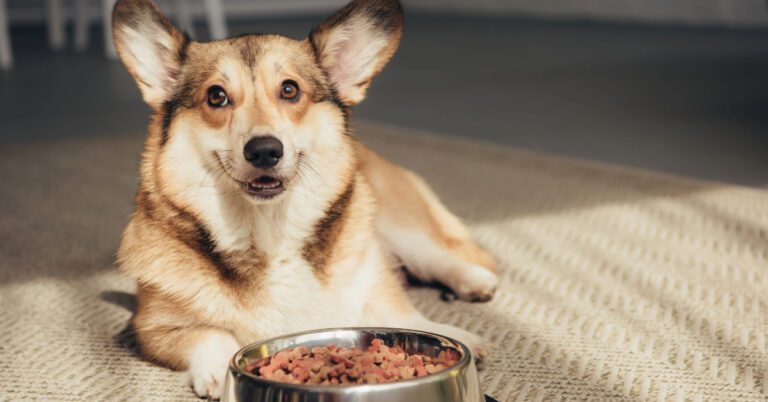
If your dog has turned his nose up at his bowl, you’re probably asking, “Why is my dog not eating?” The answer ranges from something minor, like a recent treat overload, to something that needs veterinary attention, like dental pain, nausea, or an underlying illness. At Maple Grove Pet Hospital, appetite changes are one of the most common reasons pet owners bring their dogs in, and for good reason. Eating habits are one of the clearest windows into a dog’s overall health, so a sudden change is always worth paying attention to. In this blog, we’ll cover the most common reasons dogs skip meals, what it means when a dog refuses food but still wants treats, and when it’s time to schedule a visit.
Why Is My Dog Not Eating His Food But Will Eat Treats?
A dog who won’t touch his kibble but happily takes a treat from your hand isn’t necessarily being picky. This pattern often points to something specific about the food itself, or about how your dog is feeling, rather than a total loss of appetite.
What This Pattern Usually Means
Dogs have strong associations with certain textures, smells, and flavors. Dry kibble requires more chewing and can be less appealing if your dog has any mouth discomfort, while a soft, high-value treat goes down easily and delivers an immediate reward. If your dog is not eating his regular food but will eat treats, the first thing to consider is whether something has changed about the food itself, such as a new bag, a different formula, or food that has gone stale.
Common Non-Medical Explanations
There are a few common, non-medical reasons for this selective eating pattern worth ruling out first:
- The food has been left out too long and has gone stale or absorbed odors from the fridge
- A recent switch to a new brand or formula that tastes or smells different
- Too many treats or table scraps throughout the day, reducing regular hunger
- A bowl placed somewhere noisy, high-traffic, or near another pet causing stress at mealtime
When Dental Pain Might Be the Cause
If none of these explain why your dog is not eating his usual food, dental pain is worth considering next. Sore teeth, gum disease, or a cracked tooth can make chewing dry kibble uncomfortable while soft treats remain easy to manage, since they require far less pressure from the jaw. A veterinary dental exam can rule this out quickly, and it’s often the missing piece for owners who’ve already ruled out an obvious cause.
Why Is My Dog Not Eating But Acting Normal?
It can be confusing when a dog skips meals but otherwise seems playful, alert, and energetic. This combination often leads owners to wait longer before seeking help, but “Why is my dog not eating but acting normal?” is actually one of the more important patterns to understand.
Why Dogs Can Hide Discomfort
Dogs are naturally good at masking discomfort, which is a survival instinct carried over from their wild ancestors. A dog who seems normal in every other way, playing, greeting you at the door, and wagging his tail, can still be hiding early signs of nausea, mild pain, or a developing illness. Appetite is often one of the first things to change before other symptoms become obvious, which is why so many owners wonder, “Why is my dog not eating?” while everything else about their dog seems unchanged.
Situations Worth Watching
A few situations are common enough to mention specifically:
- A dog recovering from a recent vaccine or medication may have a temporarily reduced appetite without other symptoms
- Hot weather or a change in activity level can lower a dog’s calorie needs for a day or two
- Anxiety from a change in routine, a new pet, or travel can suppress appetite while energy levels stay normal
- Mild gastrointestinal upset can cause a dog to skip a meal or two while still acting playful in between
How Many Missed Meals Is Too Many
If your dog skips a single meal but eats normally at the next one, it’s usually not a concern. A pattern of skipped meals over several days, even with normal energy, is a different story and worth a veterinary check, since a dog can mask discomfort for longer than most owners expect.
Common Medical Causes Behind a Lost Appetite
There are several underlying causes that show up again and again when veterinarians hear the question “Why is my dog not eating?”, ranging from mild and temporary to more serious.
Nausea and Dental Disease
Nausea from motion sickness, medication side effects, or gastrointestinal upset is one of the most common reasons a dog refuses food. Dogs experiencing nausea often lick their lips, drool more than usual, or approach the bowl and then walk away without eating. Dental disease is another frequent cause, especially in adult and senior dogs, since inflamed gums or an abscessed tooth make every bite painful, and pain around the mouth is often mistaken for pickiness rather than a medical issue.
Other Conditions to Consider
Beyond nausea and dental issues, several other conditions commonly affect appetite.
- Stress or anxiety triggered by boarding, travel, or a change in the household
- Underlying illness such as kidney disease, liver issues, or infection, which often reduces appetite before other signs appear
- Pain from an injury, arthritis, or a recent surgery that makes it uncomfortable to lower the head to eat
- Side effects from a new medication or supplement
Why a Proper Exam Matters
Because so many possibilities overlap, your veterinarian relies on a physical exam, bloodwork, and sometimes imaging to narrow down the true cause rather than guessing based on appetite alone. This is exactly why the question is best answered with a hands-on exam.
How Maple Grove Pet Hospital Helps Get to the Bottom of It
Not every skipped meal requires a same-day visit, but certain signs mean it’s time to call rather than wait it out. Schedule an appointment sooner rather than later if your dog has gone without food for more than 24 hours, or if reduced appetite is paired with vomiting, diarrhea, lethargy, or weight loss. Puppies and senior dogs in particular can decline quickly without adequate nutrition, so a shorter waiting window applies to both age groups, since their bodies have less reserve to draw on during a missed meal or two.
What to Expect at the Appointment
When you bring your dog to us because he isn’t eating, our team starts by asking detailed questions about when the change began, whether treats or other foods are still appealing, and whether any other symptoms have appeared. This history often points directly toward the likely cause before any testing even begins, and it helps our veterinarians decide which diagnostics will be most useful.
Diagnostics We May Recommend
From there, diagnostics are tailored to what the exam reveals:
- Bloodwork to check organ function and rule out underlying illness
- A dental exam to identify pain, infection, or damaged teeth
- Abdominal palpation or imaging if gastrointestinal issues are suspected
- Diet and feeding recommendations once a cause is identified
Appetite changes are one of the clearest early signals your dog can give you, and getting an answer sooner rather than later makes treatment easier and recovery faster. If you’ve been asking, “Why is my dog not eating?” for more than a day or two, schedule an appointment online or call (763) 265-5878. Our team at Maple Grove Pet Hospital is equipped to help you figure out what’s going on and get him back to his normal routine.
Recent Posts
About Us
Maple Grove Pet Hospital provides veterinary care for dogs and cats in Maple Grove, MN. Schedule an appointment by calling or booking online today.