

How Many Kittens Can a Cat Have?
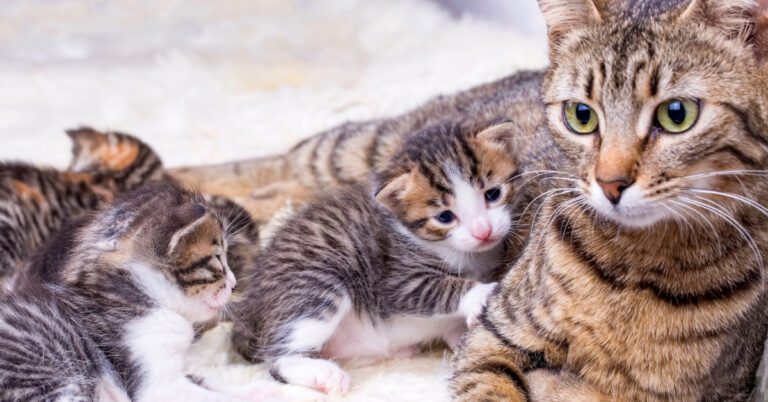
There’s a particular kind of surprise that comes with finding out your cat is expecting: excitement, a little bit of panic, and one question that comes up almost immediately: how many kittens can a cat have? The short answer is usually four to six, though nature rarely reads the fine print, and litters anywhere from a single kitten to ten or more are entirely possible. At Maple Grove Pet Hospital, we can talk pregnant cat owners through this uncertainty, since guessing based on a rounder belly only gets you so far. What actually determines the number, how a cat’s body changes along the way, and when an ultrasound can give you a real answer are all worth understanding before the big day arrives. Here’s what to expect from start to finish.
How Long Are Cats Pregnant?
Understanding a cat’s pregnancy timeline helps explain why litter sizes vary as much as they do, since the length and health of the pregnancy directly affects how many kittens survive to birth.
The Typical Gestation Period
A typical cat pregnancy lasts between 63 and 65 days, or roughly nine weeks, from conception to delivery. This is considerably shorter than a dog’s pregnancy, which often surprises first-time cat owners. Because the gestation period is so compact, physical changes can seem to happen quickly once a cat is confirmed pregnant, and owners often have less lead time to prepare than they expect.
Signs of Pregnancy to Watch For
Cats display a fairly predictable set of physical and behavioral changes as pregnancy progresses:
- Enlarged, pink nipples become visible around three weeks into the pregnancy
- A noticeably rounder abdomen develops in the final few weeks
- Increased appetite and nesting behavior, such as seeking out quiet, enclosed spaces
- Reduced activity level as the due date approaches
Confirming Pregnancy Early
Your veterinarian can often confirm pregnancy through abdominal palpation as early as three weeks, with ultrasound offering confirmation even earlier, sometimes as soon as 15 days after mating. This early confirmation is useful for planning ahead, since knowing the approximate due date helps owners prepare a safe space and anticipate roughly how many kittens a cat can have based on an ultrasound estimate rather than guesswork later in the pregnancy.
Signs Labor Is Approaching
Toward the final week, a queen’s, or first time cat mothers, body temperature typically drops slightly, and she may become more restless or vocal as she searches for the right nesting spot. Recognizing these late-stage signs helps owners know when delivery is imminent, which is especially useful for cats having their first litter.
How Many Kittens Can a Cat Have in a Litter?
Once a pregnancy is confirmed, the next question owners usually ask is “How many kittens can a cat have in a litter?” The answer depends on several overlapping factors, but there are some clear averages to work from, and most veterinarians can offer a reasonable estimate well before delivery day.
Average Litter Size
Most domestic cats give birth to litters of four to six kittens. First-time mothers often have smaller litters than cats who have given birth before, since litter size tends to increase slightly with subsequent pregnancies up to a point, usually peaking around the third or fourth litter before declining again. It’s not unusual for a litter to be as small as one or two kittens, and larger litters of eight, nine, or even more have been documented, particularly in certain breeds and in cats living in colony settings with ample food access.
Patterns in Litter Size
A few patterns are worth knowing when it comes to litter size.
- Younger queens having their first litter often produce fewer kittens than more experienced mothers
- Larger domestic breeds and mixed-breed cats sometimes produce larger litters than smaller purebred cats
- Litters born later in a cat’s reproductive life tend to shrink again in size
- Multiple sires are possible within a single litter, since female cats can mate with more than one male during a single heat cycle, a phenomenon known as superfecundation
Getting an Accurate Count
Because litter size varies so widely, it’s difficult to predict an exact number until closer to delivery, when an ultrasound or X-ray can give a more accurate kitten count. X-rays are particularly useful in the final week of pregnancy, since kitten skeletons are calcified enough by then to be counted individually, giving owners a firm answer before labor even begins.
Factors That Affect Litter Size
Beyond age and breed, several other factors influence how many kittens a cat can have during any given pregnancy, and understanding them can help set realistic expectations.
Nutrition and Overall Health
Nutrition plays a significant role in litter size and kitten survival. A queen who is underweight or malnourished before and during pregnancy is more likely to have a smaller litter or kittens with lower birth weights. Overall health matters too, since underlying conditions, parasites, or untreated infections can all reduce fertility and litter size. A cat in excellent body condition heading into pregnancy generally has a better chance of a healthy, appropriately sized litter than one who is underweight or fighting an untreated illness.
Genetics and Breed
Genetics and breed also play a part in determining typical litter sizes.
- Certain breeds, such as Siamese and Oriental cats, tend to have larger average litters
- Cats with a history of reproductive health issues may consistently have smaller litters
- Age plays a curved role, with litter size typically peaking in a cat’s middle reproductive years
- Spacing between pregnancies can affect a queen’s body condition and, in turn, her litter size
Environment and Stress
Environmental stress, overcrowding, or being part of a large feral colony can also reduce litter size and kitten survival rates, which is one of many reasons spaying and neutering is recommended for cats not intended for breeding. Stress hormones released during pregnancy can affect both the number of kittens carried to term and their birth weight, making a calm, stable environment an important part of a healthy pregnancy. Indoor cats with consistent routines and low household stress tend to have more predictable pregnancies overall, which makes it easier for a veterinarian to estimate litter size well before the litter arrives.
How Maple Grove Pet Hospital Supports Cat Pregnancies
Whether you’re expecting one kitten or ten, a pregnant cat benefits from veterinary support throughout the process, and knowing roughly how many kittens a cat can have ahead of time helps you prepare appropriately for supplies, space, and monitoring during labor.
Prenatal Monitoring
An ultrasound around day 21 of pregnancy can confirm how many kittens are developing, giving owners a more reliable number than guessing based on the mother’s size alone. This is especially useful for owners trying to plan supplies, prepare a whelping area, or arrange to be present for delivery, particularly with a first-time queen who may need more hands-on support.
Support Through Delivery
As delivery approaches, our veterinary team at Maple Grove Pet Hospital can also advise on warning signs that suggest a difficult birth, since complications become more likely with unusually large or small litters. Prompt veterinary attention during labor can make a significant difference if a kitten becomes stuck or a queen shows signs of prolonged, unproductive labor lasting more than an hour between kittens. Knowing the expected litter size ahead of time also helps our team and the owner recognize quickly if a queen seems to be finished delivering when kittens may still remain, since a retained kitten can become a medical emergency if left unaddressed.
Plan Ahead With Maple Grove Pet Hospital
If you have a pregnant cat and want a clearer picture of “How many kittens can a cat have?” in her upcoming litter, our team at Maple Grove Pet Hospital can help with prenatal care, ultrasounds, and guidance through delivery. We also encourage spaying for cats not being intentionally bred, since unplanned litters contribute significantly to the local cat overpopulation problem. Whether this is your cat’s first litter or her fifth, our veterinarians at Maple Grove Pet Hospital are here to support a healthy pregnancy and delivery for both mother and kittens. Schedule an appointment online or call us at (763) 265-5878.
Recent Posts
About Us
Maple Grove Pet Hospital provides veterinary care for dogs and cats in Maple Grove, MN. Schedule an appointment by calling or booking online today.