

9 Essential Tips for Traveling With Pets Safely
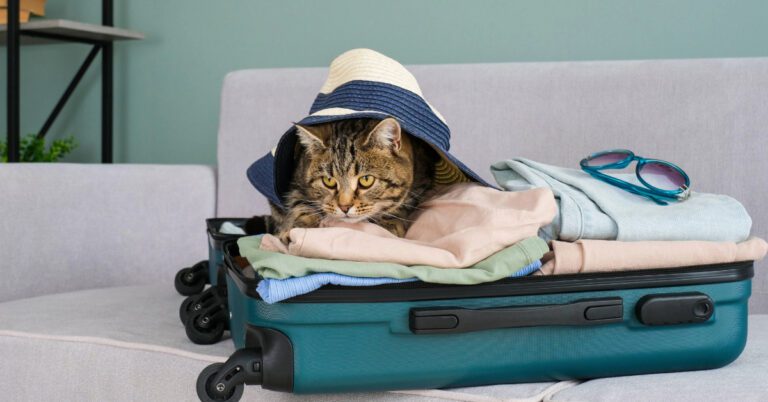
Whether you’re planning a weekend road trip or preparing for a cross-country move, traveling with pets requires thoughtful preparation.
This guide shares vet-approved tips to help pet owners ensure their furry companions stay safe, comfortable, and stress-free on the go.
From health considerations to practical packing advice, the key to successful pet travel lies in early planning and personalized care.
What Pet Owners Should Know Before Traveling With Pets
Travel takes pets out of their comfort zones, and it can be especially challenging for animals who thrive on routine.
Dogs, cats, and small mammals may respond differently to unfamiliar environments, noises, and changes in temperature or motion.
Your pet’s age, health, and temperament all influence how well they’ll tolerate travel, and not all destinations or modes of transport are ideal for every animal.
That’s why it’s important to plan your trip around your pet’s needs, not just convenience.
Are All Pets Good Candidates for Travel?
Not every pet is suited for life on the road or in the air.
Puppies and kittens, senior pets, or those with chronic medical conditions may face higher risks when traveling. Some animals may do fine on short trips, but struggle with long-distance travel.
If you’re unsure whether your pet is a good travel companion, a quick visit to Maple Grove Pet Hospital can help assess their readiness and provide expert guidance.
9 Essential Tips for Traveling With Pets
These nine tips offer practical, safety-focused advice to help your pet travel comfortably, whether you’re heading across town or across the country.
Tip #1 – Schedule a Veterinary Checkup Before Traveling
Before your trip, schedule a visit with your veterinarian to confirm your pet is healthy enough for travel.
This is a good time to update vaccinations, refill medications, and discuss concerns like motion sickness or travel anxiety.
Tip #2 – Research Pet-Friendly Transportation and Lodging
Not all hotels, airlines, or rental companies welcome pets, and those that do often have specific restrictions.
Research policies in advance and confirm details like breed, size, or carrier requirements. Don’t forget to ask about any additional fees or pet-specific accommodations.
Tip #3 – Pack Essential Supplies for Your Pet
A well-stocked pet travel kit should include food, treats, bottled water, bowls, a leash or harness, and a secure carrier or crate.
Bring any required medications and a basic pet first-aid kit, along with copies of your pet’s vaccination records in case they’re needed during your travels.
Tip #4 – Bring Familiar Comfort Items
A favorite bed, blanket, or toy can help ease your pet’s anxiety in unfamiliar places. Familiar scents provide a sense of security, which can be especially helpful during hotel stays or long drives.
Tip #5 – Keep Pets Properly Secured During Car Travel
Always use a travel crate, carrier, or pet seatbelt to keep your pet secure in the car. Allowing pets to roam freely inside the vehicle can be hazardous for both them and the driver.
Never leave your pet unattended in a parked car, especially during extreme hot or cold weather conditions.
Tip #6 – Plan Regular Breaks and Feeding Carefully
On road trips, plan to stop every 2–3 hours for water and bathroom breaks. Always leash your pet before exiting the vehicle.
To prevent stomach upset, avoid feeding large meals right before travel. Small portions or treats are often best.
Tip #7 – Understand Airline Rules Before Flying With Pets
Each airline has different pet policies, so be sure to review them carefully.
Confirm the carrier’s size and weight limits, and book direct flights whenever possible to minimize stress and handling. Our team can help determine whether flying is the right option for your pet.
Tip #8 – Reduce Anxiety and Stress During Travel
Help your pet feel more at ease by gradually introducing them to travel carriers or short car rides.
Try to maintain familiar routines, like feeding schedules, and avoid unnecessary changes. Avoid sedatives unless specifically prescribed by your veterinarian.
Tip #9 – Watch for Signs Your Pet Is Struggling While Traveling
Pay attention to signs like excessive panting, shaking, drooling, vomiting, or restlessness. If your pet shows signs of distress, they may need a break or medical attention.
Contact Maple Grove Pet Hospital if symptoms persist after travel.
Common Travel Mistakes Pet Owners Should Avoid
Even well-meaning pet owners can make preventable mistakes during travel. Here are a few to watch out for:
- Skipping a veterinary exam before the trip
- Using a new carrier, crate, or harness for the first time during travel
- Neglecting regular breaks for water, bathroom, and exercise
- Assuming pets can handle heat, cold, or stress the same way humans do
- Giving pets human medications or calming aids without veterinary approval
When It May Be Better Not to Travel With Your Pet
In some cases, staying home is the safer option.
Pets with severe anxiety, unstable medical conditions, or those who would face extreme weather or long flights may benefit from alternative care. A trusted pet sitter or boarding facility could be the better choice.
Help Your Pet Travel Safely With Maple Grove Pet Hospital
Safe travel starts with the right preparation, and we’re here to help. From pre-travel exams to anxiety support and personalized care plans, Maple Grove Pet Hospital offers everything you need to travel confidently with your pet.
Call us at 763-762-3066 or schedule a pre-travel consultation today.
Recent Posts
About Us
Maple Grove Pet Hospital provides veterinary care for dogs and cats in Maple Grove, MN. Schedule an appointment by calling or booking online today.